Fencing a Sloped Block? Here’s What You’re Really Dealing With
A fence on flat ground is straightforward. A fence on a sloped block is a different project entirely, and the decisions you make before a single post goes in will affect how the fence looks, how long it lasts, and what it costs.
Sloped and uneven blocks are common, whether the ground drops away at the back of the property, rises steeply from the street, or rolls unevenly across a boundary line. Each of those situations calls for a different approach.
Stepped or Raked: The First Decision You Need to Make
There are two main ways to run a fence across a slope. A stepped fence follows the ground in a series of flat horizontal sections that drop down like stairs. A raked fence follows the angle of the slope continuously, with the fence line running parallel to the ground beneath it.
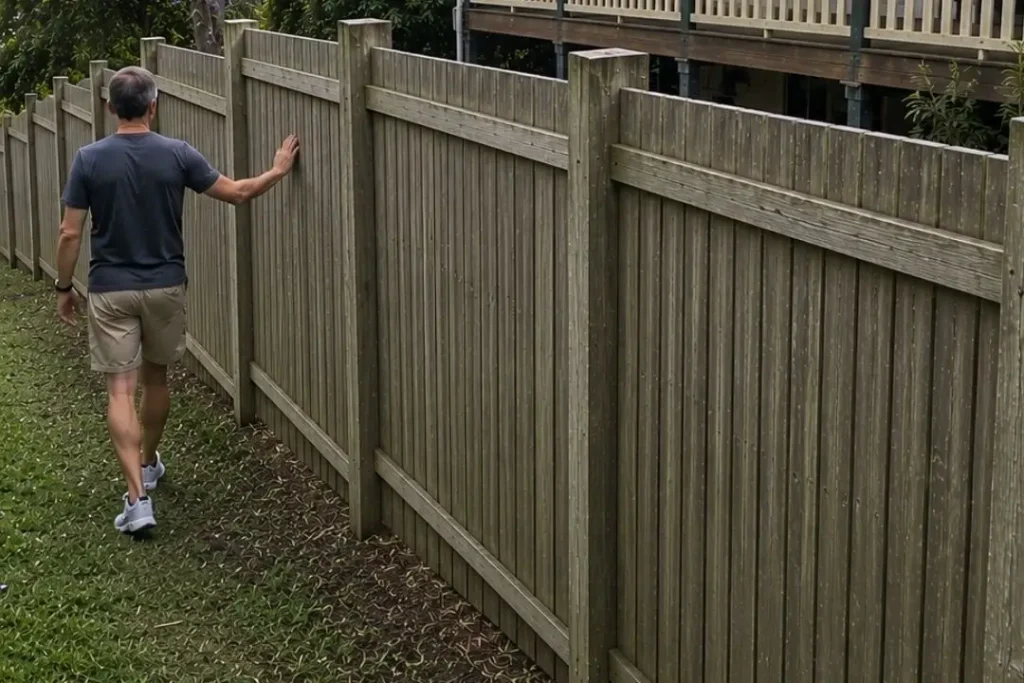
Stepped fencing suits materials like timber palings or lapped boards, where each panel sits level and the gaps beneath each step are filled or left open depending on the purpose of the fence. Raked fencing works better with materials that can be cut or adjusted to follow a continuous angle, such as colorbond or certain timber styles.
The choice is not purely aesthetic. The slope angle, the fence material, the boundary position, and what the fence needs to do all factor into which method makes sense. On very steep ground, stepped and raked designs each carry trade-offs that are worth understanding before you commit to one or the other.
What Happens at the Base of the Fence
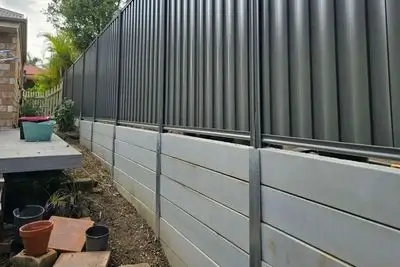
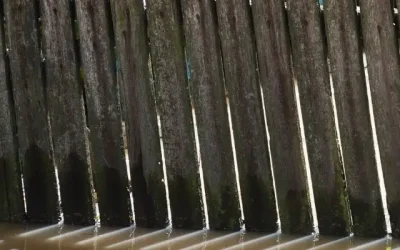
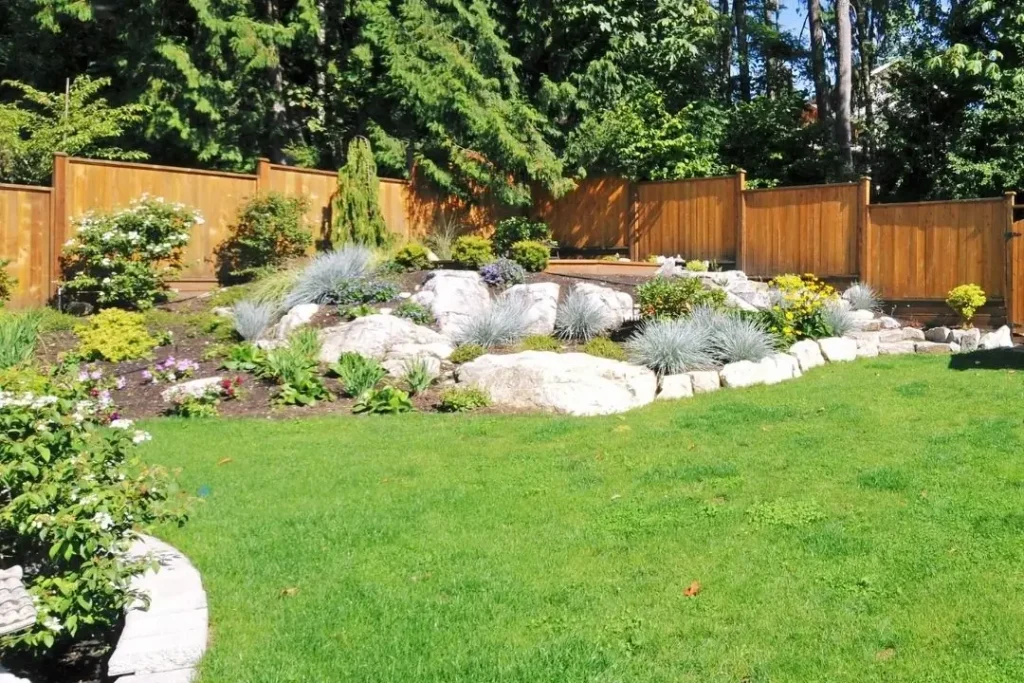
On a slope, the gap between the bottom of the fence and the ground changes constantly. With a stepped fence, that gap can be significant at the low end of each panel. With a raked fence, the base follows the slope more closely, but the posts still need to be set at varying depths to keep the fence line consistent.
If the fence needs to contain pets or children, gaps at the base become a real problem. Infill options include timber kickboards, gravel boards, or extending the paling length at the base of each step. Each adds cost and labour, so factor that in early.
On some properties, the slope is steep enough that the fence base sits well above ground level on one side. In those cases, a retaining structure may be needed alongside the fence, not as an afterthought but as part of the original plan. Retaining wall installation alongside a fence line is a common requirement on steeper blocks, and combining both into a single project is usually more efficient than treating them separately.
Post Depth and Footing Requirements on Uneven Ground
Posts on sloped ground need to be set deeper than posts on flat ground to maintain stability. The lateral pressure on a post increases when the ground falls away on one side, and that pressure compounds over time if the footing is not adequate.
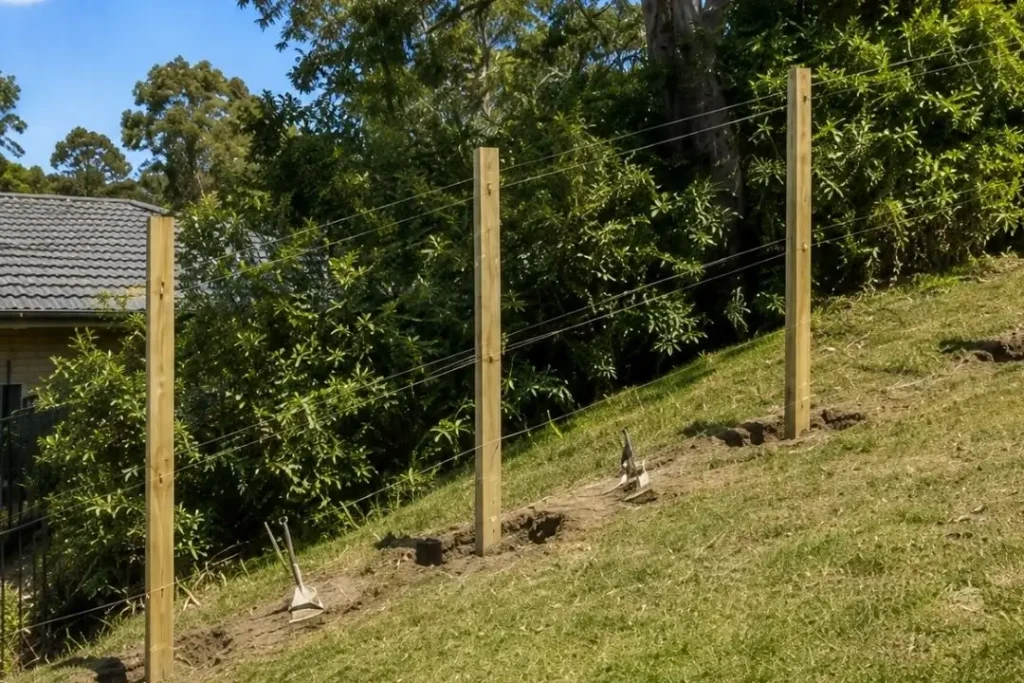
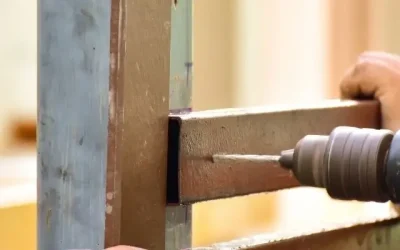
Concrete footings are standard for most fence posts, but the volume of concrete required per post increases on slopes. On very steep ground or in areas with loose or sandy soil, steel post anchors or screw piles may be a better option than poured concrete. Your fencer should assess the soil type and slope angle before deciding on the footing method.
Boundary Lines Do Not Follow the Slope
A boundary line is a legal line on a flat plan. On sloped ground, that line still runs in a straight horizontal direction, but the physical ground beneath it rises and falls. This means the fence position relative to the boundary can shift slightly depending on how the slope is managed.
If there is any uncertainty about where the boundary sits, have it surveyed before work starts. Building a fence in the wrong position on a sloped block is harder to correct than on flat ground, and disputes with neighbours over boundary fences can become complicated quickly. Lismore City Council’s guidance on fencing rules and boundary disputes covers your obligations as a property owner.
Material Choice Matters More on a Slope
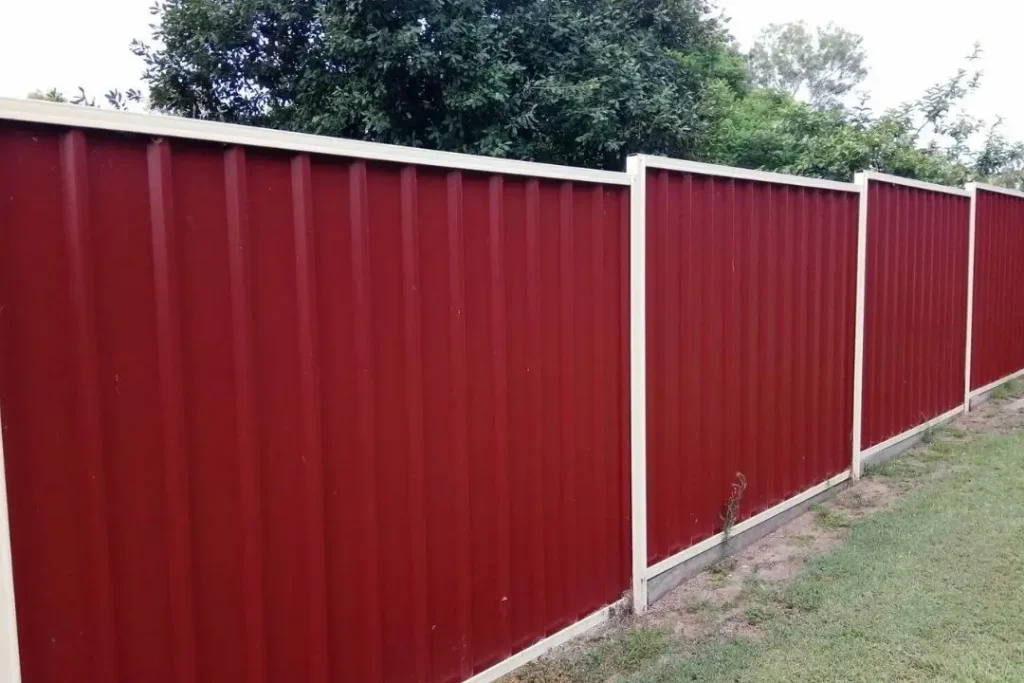
Not every fencing material handles slope well. Timber is flexible and can be cut to suit almost any angle or step configuration, and it’s also a common choice for older homes with established gardens, where getting the fence style right for the property matters as much as managing the slope. Colorbond can be raked to follow a slope but has limits on how steep an angle the panels can accommodate before the profile looks awkward or the structural integrity is affected.
Pool fencing on a slope adds another layer of complexity. Compliant pool fencing must meet specific height requirements measured from the ground on the outside of the fence, not the inside. On a slope, that measurement changes along the fence line, which affects post heights and panel sizing throughout.
Where Costs Tend to Increase on Sloped Blocks
Sloped block fencing takes longer to set out, longer to install, and uses more materials than the same fence on flat ground. The extra labour comes from calculating step heights, cutting panels to fit, adjusting post depths, and managing the base gaps at each section.
Access is another factor. If the slope makes it difficult to get equipment or materials to the fence line, that adds time. On steep or heavily vegetated blocks, hand-digging post holes is sometimes the only option, which is slower than machine augering.
Getting a clear quote upfront requires the fencer to walk the boundary, not just measure it on a plan. Any quote based on a site visit will be more accurate than one based on a description or a photo.
Before You Call Anyone, Do This First
Walk your boundary line and note where the slope changes. Identify any sections where the ground drops sharply, where there are existing retaining structures, or where tree roots or drainage lines might affect post placement. The more clearly you can describe the site, the more useful your initial conversation with a fencer will be.
Check whether your fence requires council approval. Most standard boundary fences in residential areas do not, but height, location, and proximity to a road can all trigger approval requirements. If you are unsure, check with Lismore City Council before work starts rather than after.
Talk to Someone Who Knows the Ground
Sloped block fencing is not a project to price from a catalogue. The site conditions, the slope angle, the material choice, and the boundary situation all need to be assessed together before a sensible plan can be put together.
As a local fence company working across Lismore and the Northern Rivers, we are familiar with the terrain here and the practical challenges that come with it. If you have a sloped block and you are not sure where to start, get in touch and we can talk through what the site needs.
Ready to Get a Straight Answer on Your Sloped Block?
A site visit is the only reliable way to assess a sloped block properly. We are happy to come out, look at the ground, and give you a clear picture of what is involved before any commitment is made.
Call us on 02 5624 7045 or send us a message through our fencing enquiry form and we will arrange a time that suits you.