Why Older Homes Need a Different Approach to Fencing
A fence on an older home does more than mark a boundary. It either reinforces the character of the property or works against it, and the difference is usually obvious from the street.
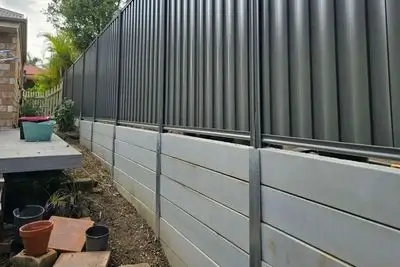
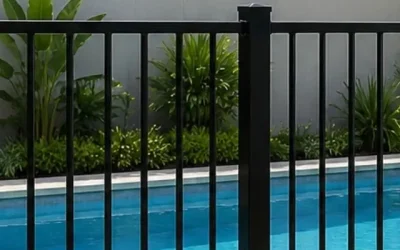
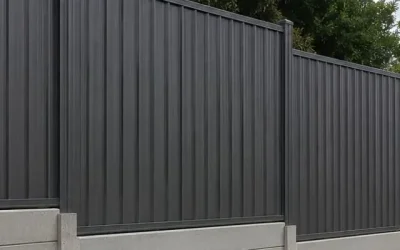
Homes built in the early to mid twentieth century, particularly Queenslanders, Federation-era cottages, and interwar bungalows, have proportions and detailing that modern fencing materials rarely complement. Colorbond and aluminium slat fences can look clean and practical, but they tend to flatten the personality of a period property.
Timber is the natural choice for these homes, but not all timber fencing suits all character properties. The style, the profile, the post height, and even the gap between palings all affect whether the fence reads as part of the home or as an afterthought.
The Fence Styles That Suit Period and Character Homes
A timber fencing project on a character home usually calls for one of a handful of traditional styles. The most common are timber picket fences, lapped and capped fences, and timber paling fences, each of which suits different property types and street presentations.
Timber Picket Fences
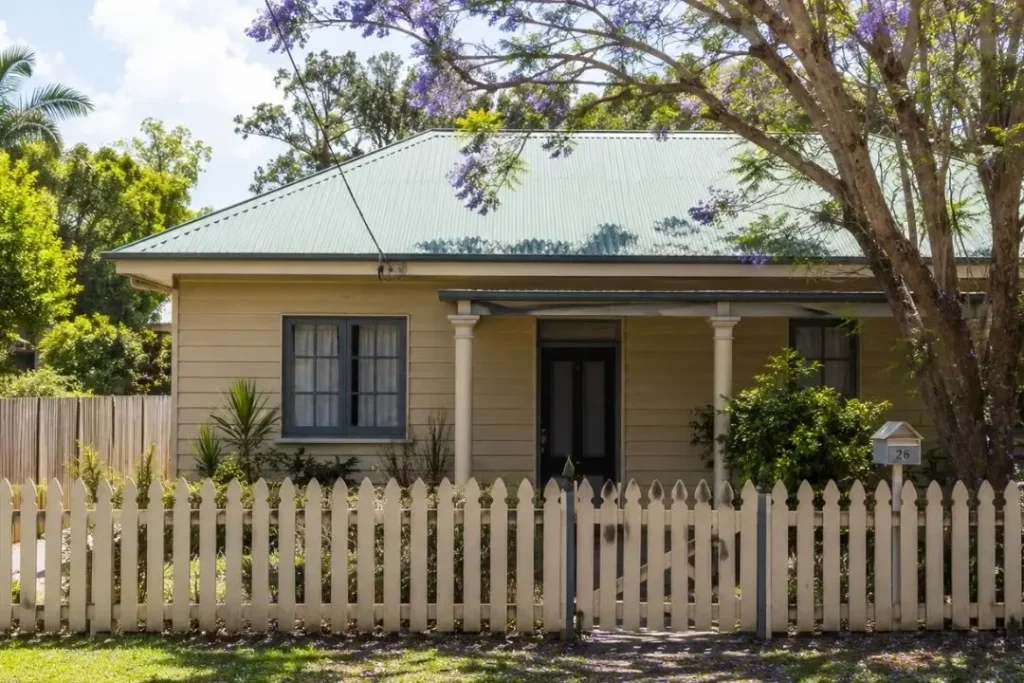
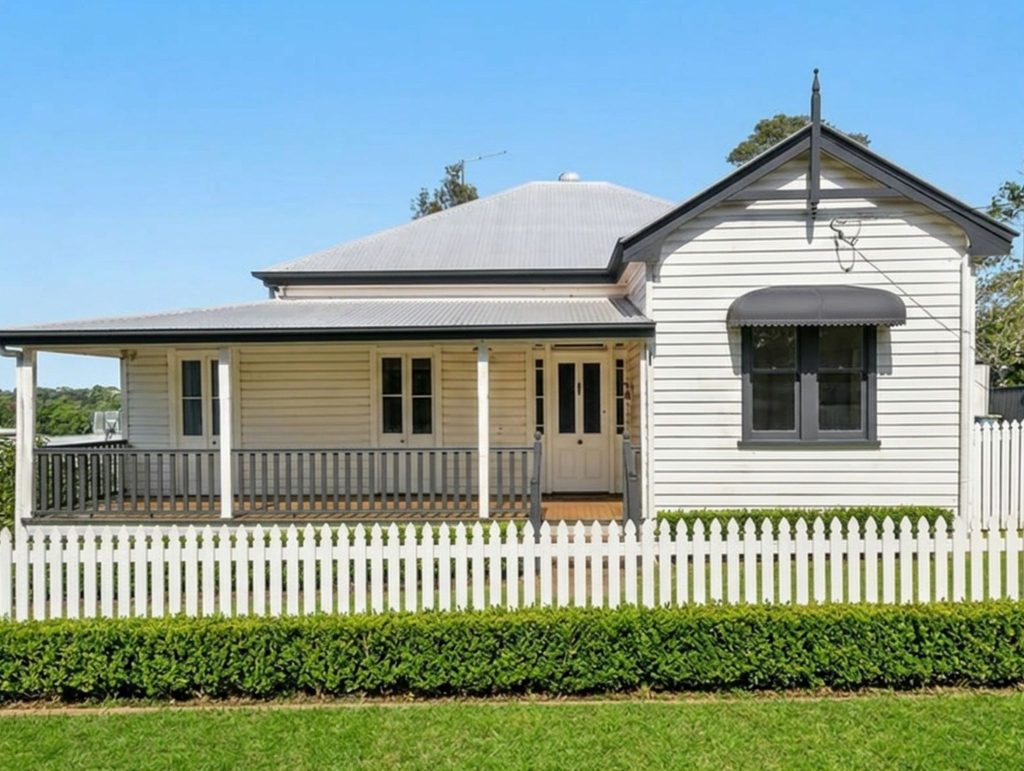
A timber picket fence is the most recognisable choice for Federation and interwar homes. The picket profile matters more than most people expect. A flat-topped picket reads as contemporary, while a pointed, dog-eared, or French Gothic profile reads as period-appropriate.
Picket spacing also affects the look. Tighter spacing gives a more formal, enclosed feel, while wider spacing keeps the garden visible and suits homes with established plantings or ornamental front gardens. There is a range of fence styles that have been used on period and character homes for decades, and reviewing them before committing to a profile is worth doing.
Lapped and Capped Fences
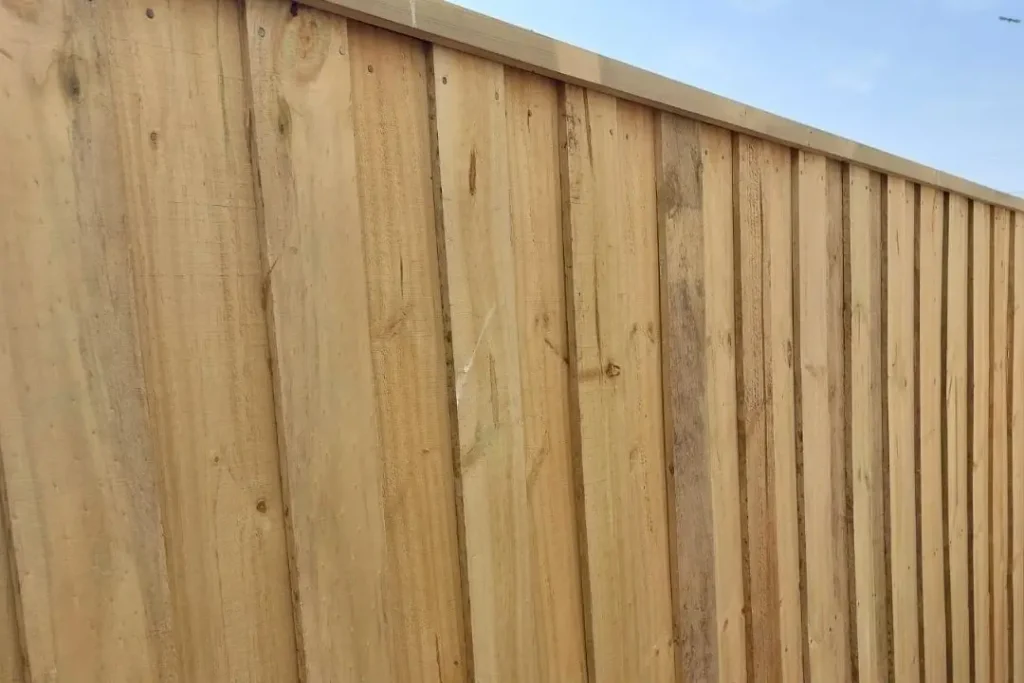
A lapped and capped fence uses overlapping horizontal boards with a capping rail along the top. It suits homes where privacy is a priority but where the owner still wants a fence that looks considered rather than purely functional.
This style works well on Queenslander-style homes and on properties where the fence runs along a side boundary rather than the street frontage. The horizontal lines echo the weatherboard cladding common on older homes in the Northern Rivers region.
Timber Paling Fences
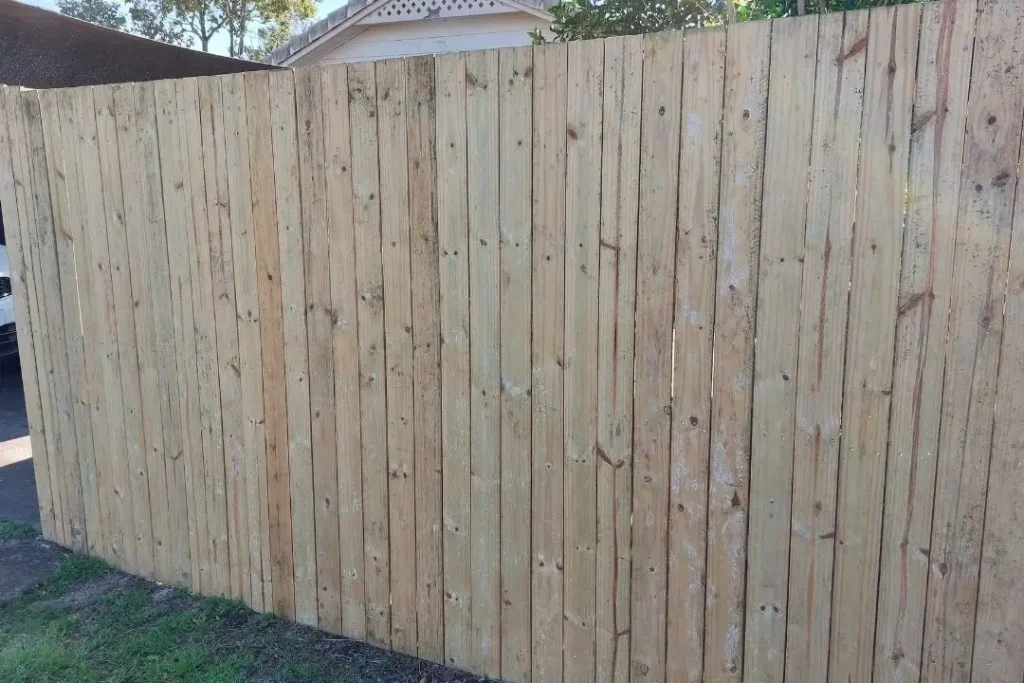
A timber paling fence is a practical and cost-effective option for rear and side boundaries on older properties. It is less decorative than a picket or lapped and capped fence, but when built with quality materials and straight posts, it still looks tidy and appropriate.
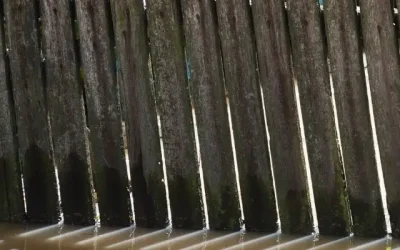
Paling fences on character homes benefit from a capping rail along the top, which adds a small amount of visual finish and also protects the end grain of the palings from water ingress. Skipping the cap is a common shortcut that shortens the life of the fence.
Choosing the Right Timber for the Job
The timber species and treatment grade you choose will affect how long the fence lasts, particularly in the Northern Rivers climate where humidity and rainfall are higher than in many other parts of NSW.
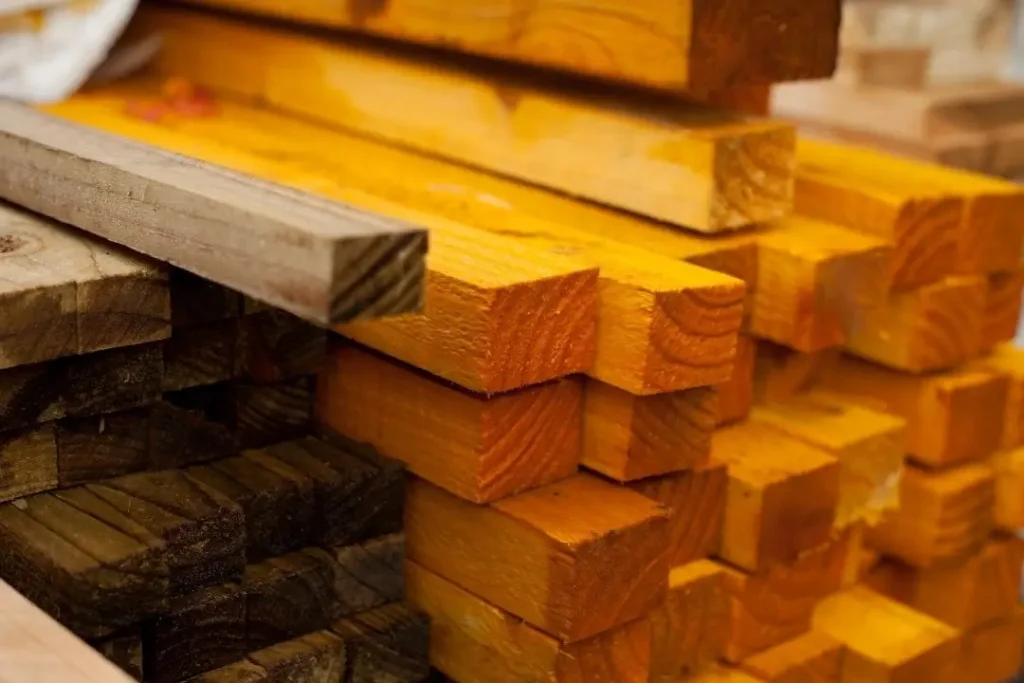
For fence palings and rails, hardwood species such as spotted gum or ironbark are durable and take paint and stain well. Treated pine is a common alternative and is more affordable, but the treatment grade matters significantly for posts.
Why Post Treatment Grade Matters
Fence posts sit in the ground, which exposes them to moisture, soil contact, and in some areas, termite activity. H3 treated pine is suitable for above-ground applications, but posts set in the ground require H4 treatment as a minimum. The difference between H4 treated pine posts and lower-grade alternatives is significant in terms of in-ground durability and resistance to decay.
Using the wrong treatment grade in posts is one of the more common reasons older fences fail prematurely. The post rots at ground level while the palings above still look fine, and the whole fence leans or collapses as a result.
Getting the Height and Proportions Right
A fence that is too tall for a cottage-style home looks out of place, and one that is too low fails to define the boundary clearly. For most character homes in Lismore and the surrounding Northern Rivers area, a front fence between 900mm and 1200mm reads as proportionate.
Side and rear fences are typically taller for privacy, usually around 1800mm. The key is that the front fence should complement the home’s facade rather than compete with it. A heavy, solid fence in front of a modest timber cottage tends to overwhelm the property.
Paint, Stain, or Leave It Natural
On older homes, a painted timber fence almost always looks more intentional than a bare or stained one. White and off-white are the most common choices for picket fences on period properties, and they tend to age well if the timber is properly primed before painting.
Hardwood palings can be left to weather naturally to a silver-grey, which suits some property styles. Treated pine, however, should be painted or stained rather than left bare, as the greenish tint of the treatment does not weather attractively.
Matching the Gate to the Fence
A fence on a character home is only as finished as its gate. Timber gates should match the fence style in profile, rail spacing, and finish. A picket fence with a solid timber gate, or a lapped and capped fence with a framed and braced paling gate, both look cohesive and considered.
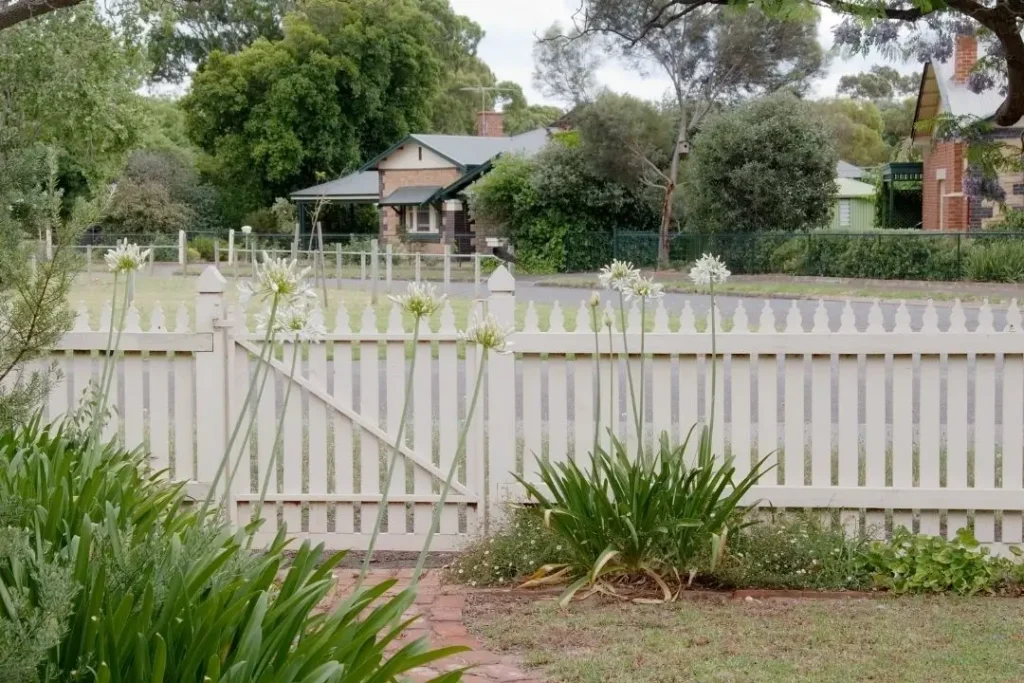
Well-built timber gates also need to be hung correctly to avoid sagging over time. A gate that drops at the latch end is one of the more common complaints on older fences, and it usually comes down to inadequate bracing or posts that were not set deep enough.
What to Think About Before Getting a Quote
Before calling a fencing contractor, it helps to have a clear sense of what you want the fence to achieve. Is it primarily about street presentation, privacy, containing children or pets, or all of the above? The answer affects the style, height, and materials that make the most sense.
It is also worth thinking about the condition of any existing fence posts if you are replacing an old fence. Sometimes the posts can be reused, which reduces cost, but if they are undersized or showing signs of rot at ground level, replacing them is the better decision. If you are still working through the cost of a new fence, understanding the material choices involved will help you compare quotes more accurately.
A Fence That Belongs to the Property
The best fence on an older home is one that looks like it was always there. That comes from choosing the right style for the period of the home, using appropriate materials, and paying attention to the details that most people only notice when they are wrong.
Timber is forgiving in that sense. It can be shaped, painted, and detailed in ways that other fencing materials cannot, which is why it remains the right choice for most character properties in the Northern Rivers region.
Talk to Us About Your Property
If you have an older home and want a fence that suits it properly, we are happy to look at the property and give you a straightforward recommendation. We work across Lismore and the wider Northern Rivers area and are familiar with the styles that suit the homes in this region.
Send us a message through our fencing enquiry form or call us directly on (02) 5624 7045 to arrange a time to talk through your project and for a free quote.