What Flooding Actually Does to a Fence
Flooding does more than knock panels over. Prolonged water exposure saturates timber posts, corrodes metal fixings, and undermines the soil that holds everything in place. A fence that looks intact after the water recedes may already be structurally compromised.
Where flood events can leave properties inundated for days at a time, the damage often runs deeper than it appears from the street. Posts that feel solid can be rotting at the base. Concrete footings can shift when saturated ground moves beneath them.
Assess Before You Replace
The first step is a proper inspection, not just a visual scan from a distance. Push against each post and check for movement. Look at ground level for signs of rot, rust, or soil erosion around the base. A fence that wobbles at the post is not worth repairing panel by panel.
Check the line of the fence too. If posts have leaned or shifted, the alignment of the whole run is affected. Straightening individual posts without addressing the underlying ground conditions is a short-term fix that rarely holds through the next wet season.
Timber Fences Take the Hardest Hit

Treated pine and hardwood both absorb water during a flood. Once saturated, timber swells, warps, and begins to break down at the joints and fixings. Even timber rated for ground contact has limits when it sits in floodwater for an extended period.
If your existing fence is timber and it has been through a significant flood event, replacement is usually more practical than repair. Patching a few boards while leaving compromised posts in the ground tends to create ongoing problems rather than solving them.
Choosing Materials That Hold Up in Flood-Prone Areas
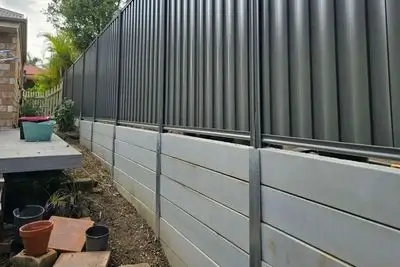
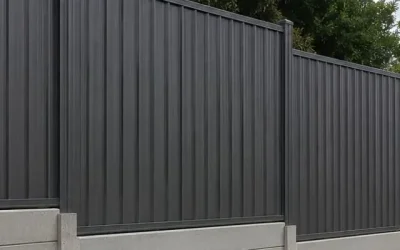
Material choice matters more on flood-affected properties than it does elsewhere. Steel and aluminium posts resist rot and hold their structural integrity better than timber when water recedes. Colorbond steel panels shed water quickly and do not absorb moisture the way timber does.
For properties in low-lying areas of the Northern Rivers, Colorbond fence options are worth considering seriously. The steel construction handles wet conditions well, and the range of profiles includes styles suited to residential boundaries without looking industrial.
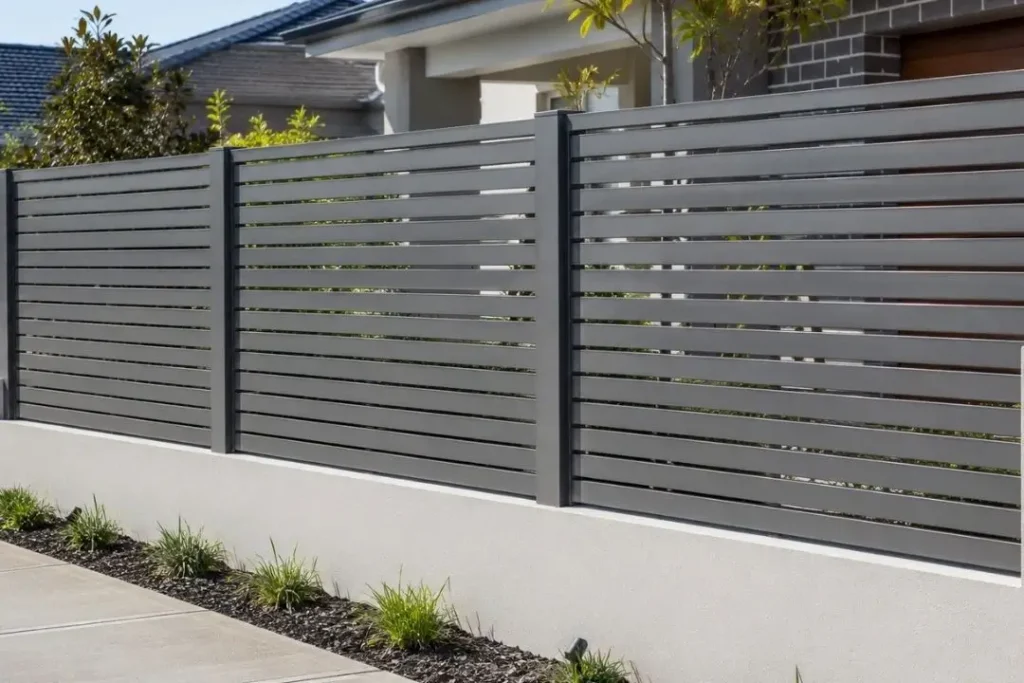
Aluminium fencing and slat-style fences are also worth considering in areas that flood regularly. They allow water to pass through with less resistance, which reduces the load on posts and footings during a flood event.
What to Know About Costs Before You Start
Flood replacement jobs often cost more than a standard new fence installation. Demolition and removal of the old fence, disposal of flood-affected materials, and any ground remediation all add to the total. If footings need to be broken out and repoured, that adds labour and time.
Getting a clear picture of fence replacement costs in Lismore before you commit helps you plan realistically and avoid surprises mid-project. Material choice, fence length, and site conditions all affect the final figure.
Boundary Fences and Neighbour Responsibilities
If the damaged fence sits on a shared boundary, the cost of replacement is generally shared between neighbours under NSW fencing law. Flooding does not change that legal position, but it can complicate conversations if one neighbour wants to upgrade materials and the other does not.
A written fencing notice is the formal way to start that process. It sets out what you propose to build, the estimated cost, and how the cost will be split. Getting this right from the start avoids disputes later, particularly when insurance is involved.
Insurance Claims and What They Cover
Home and contents policies vary significantly in how they treat fencing. Some policies cover flood damage to fences as part of the dwelling, others treat fencing as a separate item with its own sub-limit, and some exclude it entirely.
Read your policy documents carefully before assuming your fence replacement will be covered. If you are making a claim, photograph the damage thoroughly before any work begins. Insurers require evidence of the pre-repair condition, and starting work without documentation can complicate or void a claim.

Planning Rules and Flood Overlays in the Northern Rivers
Some properties in the Northern Rivers sit within flood planning areas, which can affect what you are permitted to build and how. Local planning controls may specify minimum floor levels, setbacks, or material requirements for structures on flood-affected land.
The NSW Government has developed specific flood recovery planning provisions for Lismore that affect how rebuilding and replacement work is assessed. Checking whether your property falls within a flood planning area before you start is a practical step, not a bureaucratic one. It can save you from building something that needs to be changed later.
Timing Your Replacement Sensibly
After a major flood event, fencing contractors across the region are in high demand. Lead times for materials and labour extend quickly, and rushing into a decision to secure a booking can lead to poor material choices or skipping the assessment stage.
If your fence is damaged but still standing and not a safety risk, it is reasonable to wait a few weeks, get multiple quotes, and make a considered decision. A fence replaced properly once is far better than one patched quickly and replaced again after the next flood.

Ready to Replace Your Flood Damaged Fence?
If your fence has been through a flood and you are not sure what needs replacing or what materials make sense for your property, we are happy to take a look and give you a straight answer. No pressure, just practical advice based on what we see on site.
For a Lismore fencing company that understands local conditions and flood-affected properties across the Northern Rivers, call us on (02) 5624 7045 or send us a message through our fencing enquiry form and we will get back to you promptly.